Unlocking Authentic Focaccia: The No-Knead Secret for Beginners
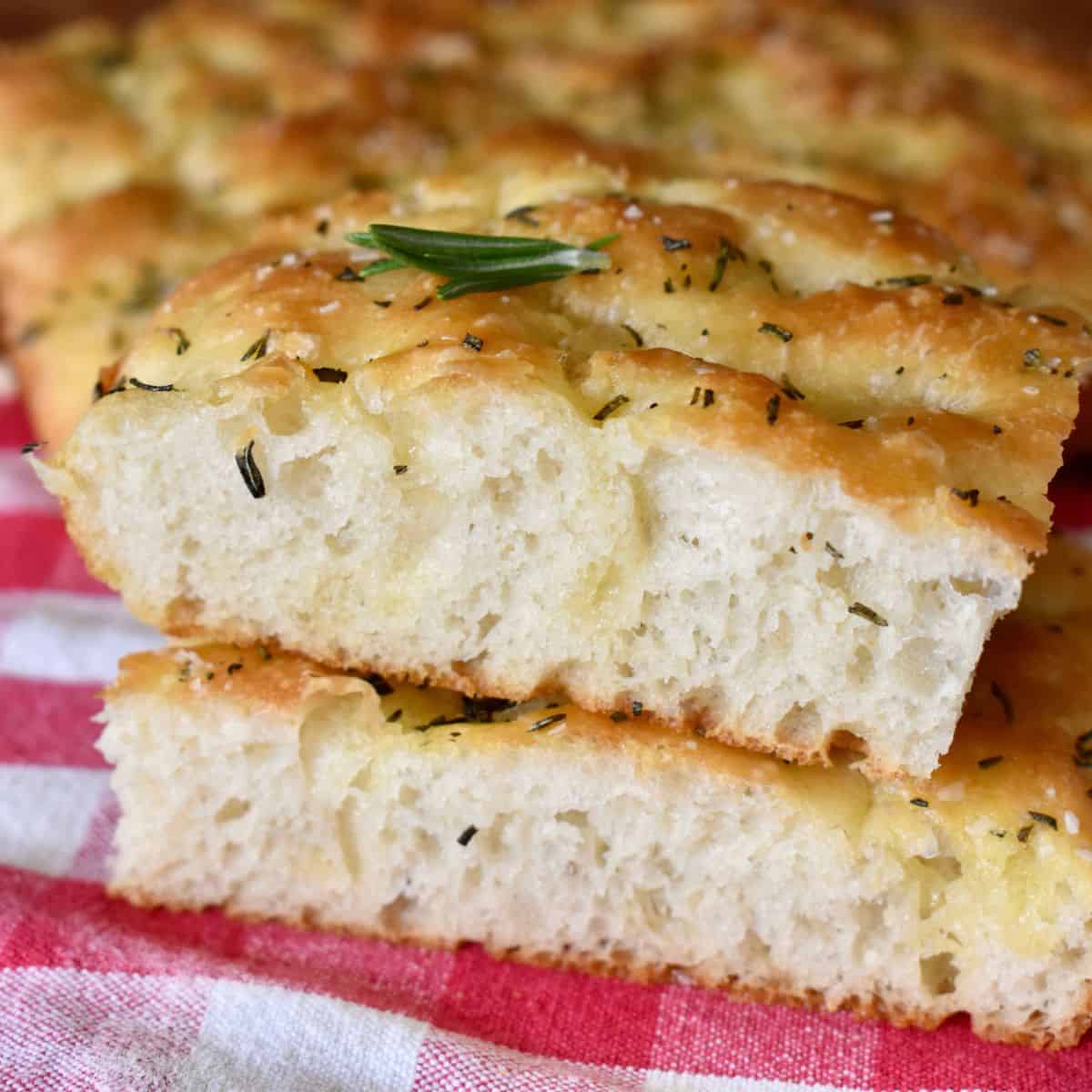
Imagine a golden-crusted bread, fragrant with olive oil and herbs, boasting a tender, airy interior that practically melts in your mouth. This isn't a fantasy reserved for seasoned bakers; it's the accessible reality of mastering an authentic focaccia right in your own kitchen. For anyone intimidated by the world of homemade bread, this comprehensive guide to a no-knead
focaccia bread recipe is your perfect starting point. We’ll demystify the process, turning what might seem complex into a delightful, rewarding experience, proving that even a complete beginner can achieve a show-stopping loaf.
Focaccia, pronounced
foh-KAH-chyuh, is a beloved Italian flatbread, easily recognized by its distinctive dimpled surface and rich, olive oil-infused dough. While its roots trace back centuries, with notable variations from regions like Liguria where its allure is particularly strong, the beauty of focaccia lies in its simplicity. Forget hours of precise kneading or specialized equipment; our approach focuses on minimal effort, maximum flavor, and an undeniable authentic texture that will have your family and friends believing you spent all day baking.
What Makes This Focaccia Bread Recipe So Special?
What sets an exceptional focaccia apart from a merely good one? It’s the harmonious balance of textures and flavors. You’re aiming for a crust that’s crisp and golden brown, offering a satisfying crunch with every bite, juxtaposed with an inside that’s incredibly light, fluffy, and chewy. This isn't just about good ingredients; it's about understanding the simple techniques that elevate them.
The journey to falling in love with focaccia often begins with a culinary adventure – perhaps a sun-drenched trip through Italian cities, where the aroma of freshly baked bread wafts from every bakery. It was during such travels, particularly through the coastal region of Liguria, that many fall deeply in love with this versatile bread. The good news? You don't need a Mediterranean vacation to recreate that magic. Our
focaccia bread recipe ensures that same authentic taste and texture can be brought to life, right from your home oven. It’s designed to deliver that delicious flavor profile and the coveted fluffy and chewy inside, without the fuss.
The real game-changer in this recipe, especially for beginners, is the "no-knead" aspect. Traditional bread making can be daunting due to the intensive kneading required to develop gluten. However, focaccia, particularly this version, relies on a high hydration dough and time, rather than brute force, to achieve its incredible structure. This makes it not only easier but often results in a more open, airy crumb.
The Secret to a Seriously Easy No-Knead Focaccia
The true brilliance behind this accessible
focaccia bread recipe lies in two fundamental principles: minimal hands-on effort and the power of time. We’re talking about a dough that requires very little active manipulation, allowing natural processes to do the heavy lifting. This makes it a perfect project for weekend baking or even a relaxed weekday evening.
One of the most crucial elements, frequently highlighted by seasoned bakers and essential for achieving that deep, complex flavor and remarkable texture, is the
overnight cold fermentation. This isn't just a suggestion; it's a cornerstone of this recipe's success. Allowing the dough to slowly ferment in the refrigerator for 12-24 hours does several wonderful things:
*
Flavor Development: The prolonged, cool environment allows the yeast to work slowly, producing byproducts that contribute to a much richer, more nuanced flavor profile. Think of it like slow-cooking a stew – the longer it simmers, the deeper the taste.
*
Texture Enhancement: Cold fermentation strengthens the gluten network without you having to knead it. This leads to a more elastic dough, which in turn results in a more open, airy, and chewy crumb in the final baked bread. It contributes significantly to that soft, pillowy interior you crave.
*
Digestibility: Some find slow-fermented breads easier to digest.
The dough for this focaccia is also notably wet, and this high hydration is another secret to its wonderful airy texture. Don't be alarmed if it feels stickier than what you might expect from other bread doughs; embrace its looseness, as it's precisely what contributes to the light and open crumb structure.
Easy Focaccia: Golden Crispy Exterior, Fluffy Interior is a testament to how these simple principles can transform your baking.
Essential Ingredients for Your Best Focaccia Bread Recipe
While the technique is key, the quality and accurate measurement of your ingredients are equally vital for a successful and authentic focaccia. Here’s a breakdown of what you’ll need and why each component is important:
*
All-Purpose Flour: This is the backbone of your focaccia. While bread flour can also be used, all-purpose provides a great balance for a tender crumb. Accuracy in measuring flour is paramount. If you own a kitchen scale, now is the time to use it! Weighing flour (in grams) is the most precise method and eliminates inconsistencies that can arise from packing flour into a measuring cup. If you don't have a scale, gently spoon the flour into your measuring cup and then level it off with a straight edge to avoid compacting it.
*
Warm Water: Crucial for hydrating the dough and activating the yeast. The temperature should be around 105-115°F (40-46°C) – warm to the touch, but not hot. Remember, the high water-to-flour ratio is what gives the bread its signature airy texture.
*
Active Dry Yeast or Instant Yeast: The leavening agent that makes your focaccia light and airy. If using active dry yeast, you’ll proof it first in warm water with a pinch of sugar. Instant yeast can often be mixed directly with the dry ingredients, but proofing it can still offer peace of mind, ensuring it's active. If your yeast doesn't foam after 5-10 minutes, it's inactive, and you'll need to start again with fresh yeast.
*
Extra-Virgin Olive Oil: This isn't just for greasing; it's a star ingredient! High-quality extra-virgin olive oil contributes immense richness and flavor to the dough, ensures those crisp, golden edges, and prevents sticking. Don't skimp here – the better the oil, the better your focaccia.
*
Sea Salt: Essential for seasoning the dough and enhancing all the other flavors. Use fine sea salt for mixing into the dough. For that beautiful finishing touch and burst of flavor just before baking, sprinkle generously with flaky sea salt. The contrast of salty flakes against the tender bread is irresistible.
*
Fresh Rosemary: A classic and aromatic topping that pairs beautifully with focaccia. Its piney, slightly peppery notes infuse the bread with an authentic Italian essence.
Master Focaccia: Flavorful Bread with Simple Ingredients further explores how these basic components can create extraordinary results.
Mastering the No-Knead Focaccia Dough: Step-by-Step
The beauty of this recipe is its simplicity, broken down into manageable steps:
1.
Proof the Yeast: In a large bowl (or the bowl of a stand mixer if you have one, fitted with a dough hook), combine the warm water and a pinch of sugar. Stir in your active dry or instant yeast. Let it sit for 5-10 minutes until a foamy layer forms on top. This confirms your yeast is active and ready to work!
2.
Mix the Dough: Add the measured flour and fine sea salt to the foamy yeast mixture. Mix on low speed (if using a stand mixer) or with a sturdy wooden spoon until a shaggy, wet dough forms. The key here is not to overmix, but just enough to combine. The dough will be very sticky and loose – this is perfectly normal and desired for a high-hydration focaccia. If using a stand mixer, you can increase speed to medium and mix for 5 minutes; it will become more elastic and start to pull away slightly from the sides of the bowl.
3.
First Rise (Bulk Fermentation): Lightly brush a large bowl with about 2 tablespoons of extra-virgin olive oil, ensuring the sides are coated. Transfer your sticky dough to this bowl, turning it once to coat with oil. Cover the bowl tightly with plastic wrap or a damp kitchen towel. Let it rise at room temperature for 1-2 hours, or until visibly puffy and almost doubled in size.
4.
The Crucial Cold Fermentation: This is where the magic happens! Transfer the covered bowl to the refrigerator for at least 12 hours, and ideally up to 24 hours. This slow, cold rise develops incredible flavor and texture. Don't skip this step!
5.
Prepare for Baking: When ready to bake, generously oil a 9x13 inch baking pan (or similar size) with 2-3 tablespoons of extra-virgin olive oil. Gently pour the cold, bubbly dough into the prepared pan.
6.
Gentle Stretching and Dimpling: Let the dough rest in the pan for 30 minutes to an hour at room temperature to relax and become more pliable. Then, with oiled fingertips, gently stretch the dough to fill the pan, being careful not to deflate it too much. Dimple the entire surface of the dough deeply with your fingers, creating those characteristic indentations. These dimples will hold pools of olive oil and toppings, contributing to that irresistible crunch and flavor.
7.
Topping and Final Proof: Drizzle more olive oil over the dimpled surface. Arrange fresh rosemary sprigs and a generous sprinkle of flaky sea salt. Cover the pan loosely and let it proof again at room temperature for another 30-60 minutes, or until visibly puffy and slightly expanded. Preheat your oven to 400°F (200°C) during this final proof.
8.
Bake: Bake for 20-30 minutes, or until the focaccia is golden brown on top and around the edges, and cooked through. The internal temperature should register around 200-210°F (93-99°C).
9.
Cool and Serve: Once baked, carefully remove the focaccia from the pan and transfer it to a wire rack to cool slightly. This prevents the bottom from getting soggy. Enjoy warm or at room temperature!
Elevate Your Focaccia with Creative Toppings
While rosemary and sea salt are classic, don't hesitate to experiment!
* **Cherry Tomatoes:** Halved and pressed into the dimples.
* **Olives:** Sliced or whole, Kalamata or green.
* **Caramelized Onions:** Sweet and savory.
* **Garlic:** Thinly sliced and scattered.
* **Cheese:** A sprinkle of Parmesan or a dollop of fresh mozzarella after baking.
* **Other Herbs:** Thyme, oregano, or a mix of Italian herbs.
Troubleshooting Common Focaccia Questions
Even with the easiest recipe, questions can arise. Here are some common concerns and solutions:
*
Why is my focaccia dense? This often comes down to two main factors: either the yeast wasn't active, or the dough didn't have enough time to rise (especially the cold fermentation). Ensure your yeast is fresh and active, and always allow the dough ample time for both rises. Too little water can also make it dense; ensure you're using the correct hydration ratio.
*
Why isn't it crispy? A lack of sufficient olive oil in the pan and on top can lead to a less crispy crust. Also, ensure your oven is preheated correctly and that you're baking it for the full duration until deeply golden. Sometimes an extra few minutes can make all the difference.
*
Can I make it ahead? Absolutely! The cold fermentation step is designed for this. You can prepare the dough, let it cold ferment, and then bake it the next day. This makes it a fantastic option for entertaining.
This no-knead
focaccia bread recipe truly simplifies the art of bread making, proving that achieving a truly authentic, bakery-quality loaf is well within reach for anyone, regardless of their baking experience. From its golden, crispy exterior to its fluffy, chewy interior, every bite is a celebration of simple ingredients transformed by patience and a little olive oil magic. So, gather your ingredients, trust the process, and prepare to impress yourself and everyone lucky enough to share in your delicious creation. Enjoy the incredible satisfaction of pulling your very own masterpiece from the oven!