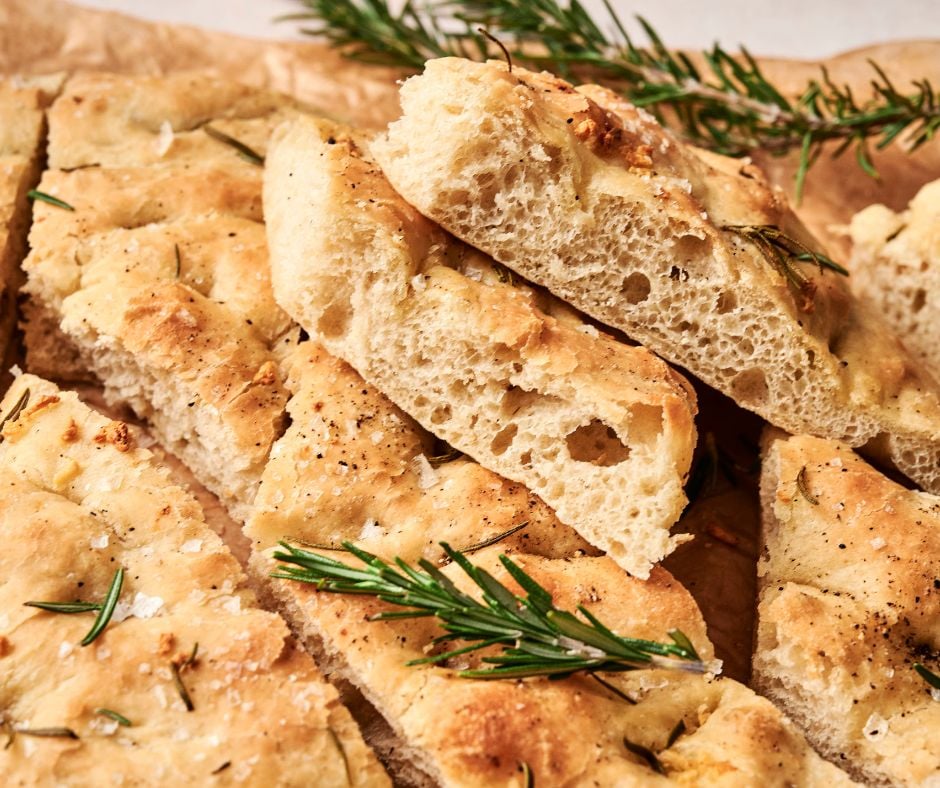
Master Focaccia: Flavorful Bread with Simple Ingredients
There's an undeniable magic in homemade bread, a warmth and aroma that instantly makes a house a home. But for many, the idea of baking bread from scratch conjures images of complex techniques, endless kneading, and specialized equipment. Enter focaccia (pronounced foh-KAH-chyuh), the Italian flatbread that defies these preconceptions. With its distinctive dimpled surface, irresistible golden-crisp crust, and wonderfully airy, chewy interior, focaccia is not just delicious – it’s surprisingly simple to make, even for absolute beginners. This comprehensive guide will walk you through crafting the perfect focaccia, proving that a truly authentic and flavorful bread can be achieved with just a few basic ingredients and a touch of patience. Get ready to discover your new favorite focaccia bread recipe!The Allure of Focaccia: Why This Italian Bread Is a Must-Try
Originating from the Liguria region of Italy, focaccia has enchanted palates worldwide with its rustic charm and versatility. What makes this bread so special, and why has it become a go-to for so many home bakers? The answer lies in its unique characteristics and the relative ease of its preparation. Unlike more demanding loaves that require hours of precise kneading, most focaccia recipes, including ours, are wonderfully "no-knead" or require minimal effort. This means less work for you and more time to anticipate the incredible result. Imagine biting into a piece of focaccia: the satisfying crunch of the golden-brown crust giving way to a soft, pillowy crumb. The rich aroma of extra-virgin olive oil, intertwined with fragrant herbs like rosemary and the subtle saltiness of sea salt, creates a symphony of flavors that is both comforting and sophisticated. This bread is not just a side dish; it’s an experience. It's the kind of bread that evokes memories of sun-drenched Italian vacations and simple, wholesome goodness. If you're looking for an Authentic Focaccia: The No-Knead Recipe for Beginners, you've found your ultimate guide. Our approach strips away the intimidation, focusing on straightforward steps that yield spectacular results every time.Unlocking Flavor and Texture: The Secrets to Exceptional Focaccia
While the focaccia bread recipe is simple, certain techniques and principles elevate it from good to absolutely incredible. Understanding these will not only improve your focaccia but also deepen your appreciation for the baking process.High Hydration for an Airy Crumb
One of the most significant factors contributing to focaccia's signature light and airy texture is its high hydration. This means the dough contains a relatively large amount of water compared to flour, resulting in a very wet and sticky dough. Don't be alarmed by the stickiness; it's precisely what creates those beautiful, open air pockets inside the bread. While working with a wet dough can feel unusual at first, it's a small price to pay for the wonderful, almost cloud-like interior it produces. Many beginner bread recipes shy away from high hydration, but it's essential for authentic focaccia.The Magic of Overnight Cold Fermentation
If there's one secret ingredient to truly sensational focaccia, it's patience – specifically, the patience to allow for an overnight cold fermentation. This step is a game-changer for both flavor and texture. By letting the dough slowly rise in the refrigerator for 12-24 hours, several magical things happen:- Enhanced Flavor: The yeast works more slowly in the cold, allowing more complex flavors to develop. This process breaks down starches into simpler sugars, resulting in a more nuanced, almost tangy taste that can't be achieved with a quick rise.
- Improved Texture: Cold fermentation strengthens the gluten structure in the dough, making it more extensible and easier to handle (despite its initial wetness). This leads to a better oven spring and a more open, chewy crumb.
The Role of Quality Ingredients
While humble, the ingredients in focaccia play starring roles. High-quality extra-virgin olive oil contributes immensely to the bread's flavor profile and its wonderfully crisp, golden crust. Good sea salt, both mixed into the dough and sprinkled on top, provides crucial seasoning and a delightful textural contrast. Don't underestimate the impact of fresh rosemary either; its aromatic notes are the perfect complement to the rich bread.Essential Ingredients for Your Best Focaccia Bread Recipe
Crafting the perfect focaccia begins with understanding the role of each ingredient. Here’s a closer look at what you’ll need to make this incredible bread.- All-Purpose Flour: This is the backbone of your focaccia. While bread flour can be used for an even chewier texture, all-purpose flour works beautifully. For the most consistent results, especially with a high-hydration dough, weighing your flour with a kitchen scale is highly recommended. If you don't have a scale, remember to spoon the flour into your measuring cup and level it off to avoid packing too much in.
- Warm Water: Crucial for hydrating the dough and activating the yeast. The water should be comfortably warm, between 105-115°F (40-46°C). Too hot, and it will kill the yeast; too cold, and the yeast won't activate. Remember, this recipe uses a high water-to-flour ratio for that airy texture!
- Active Dry Yeast or Instant Yeast: The leavening agent that makes your focaccia rise. Active dry yeast typically needs to be proofed (activated) in warm water with a touch of sugar, while instant yeast can often be mixed directly with the dry ingredients. Always check the expiration date on your yeast!
- Extra-Virgin Olive Oil: A star ingredient. It enriches the dough, adds immense flavor, and contributes to the crispy, golden crust. Drizzle generously both in the dough and on top before baking. Choose a good quality olive oil – you’ll taste the difference.
- Fine Sea Salt and Flaky Sea Salt: Fine sea salt is mixed into the dough to season it from within, ensuring every bite is flavorful. Flaky sea salt, sprinkled on top before baking, provides bursts of briny flavor and a wonderful textural crunch.
- Fresh Rosemary: The classic topping. Its piney, aromatic notes are a perfect match for focaccia. Gently pull the leaves from the woody stems.
- A Touch of Sugar (optional but recommended): A small amount of sugar (cane sugar works well) helps "feed" the yeast, ensuring it activates properly and gives it a head start in fermentation.
Mastering the Focaccia Bread Recipe: Step-by-Step Guide
Ready to get your hands (a little) sticky? Here’s a detailed guide to making your ultimate focaccia.1. Proof the Yeast
In a large mixing bowl (or the bowl of a stand mixer), combine the warm water and a pinch of sugar. Stir gently, then sprinkle your yeast over the top. Let it sit for 5-10 minutes. You're looking for a foamy, frothy layer to form on the surface, indicating the yeast is active and alive. If nothing happens, your yeast might be old, or your water temperature was off; discard and start again with fresh yeast.
2. Mix the Dough
Once your yeast is foamy, add the flour and fine sea salt to the bowl. If using a stand mixer with a dough hook, mix on low speed until a shaggy, uneven dough forms. Then increase the speed to medium and mix for about 5 minutes. The dough will be very sticky and soft, eventually pulling away slightly from the sides of the bowl. If mixing by hand, use a sturdy spoon or spatula to combine until no dry flour remains, then mix vigorously for 5-7 minutes, scraping down the sides of the bowl frequently. The goal is a uniform, very wet, elastic dough.
3. First Rise (Bulk Fermentation)
Lightly brush a large clean bowl with 2 tablespoons of extra-virgin olive oil. Transfer your sticky dough to the oiled bowl, turning it once or twice to coat the entire surface with oil. Cover the bowl tightly with plastic wrap. Place it in the refrigerator for the overnight cold fermentation, ideally 12-24 hours. This slow rise is where the true magic happens, developing the complex flavors and superior texture of your focaccia.
4. Prepare for Baking
The next day, remove the dough from the refrigerator. Allow it to come to room temperature for 1-2 hours. While the dough is warming, generously coat a 9x13 inch baking pan (or similar size) with 3-4 tablespoons of extra-virgin olive oil. Gently transfer the dough to the prepared pan. The dough will be very relaxed and should spread easily. If it resists, let it rest for another 15 minutes before trying again.
5. Dimple and Top
Using oiled fingertips, gently press down into the dough to create those characteristic dimples, without pressing all the way through to the bottom of the pan. Drizzle another 2-3 tablespoons of olive oil generously over the surface of the dimpled dough. Scatter the fresh rosemary leaves and a generous pinch of flaky sea salt evenly over the top. This is the stage where you can also add other toppings like cherry tomatoes, olives, or caramelized onions if desired.
6. Final Proof and Bake
Cover the pan loosely with plastic wrap or a clean kitchen towel and let it proof in a warm spot for another 30-45 minutes. Preheat your oven to 425°F (220°C) during the last 15 minutes of proofing. Bake the focaccia for 20-30 minutes, or until the top is deeply golden brown and the edges are crisp. Every oven is different, so keep an eye on it. For a truly Easy Focaccia: Golden Crispy Exterior, Fluffy Interior, aim for that rich, appetizing color.
7. Cool and Serve
Once baked, immediately transfer the focaccia from the pan to a wire rack to cool slightly. This prevents the bottom from becoming soggy. While it’s tempting to slice into it right away, giving it 10-15 minutes to cool helps the internal structure set. Serve warm or at room temperature, cut into squares or strips.
Beyond the Classic: Creative Topping Ideas
While rosemary and sea salt are timeless, focaccia is a fantastic canvas for culinary creativity. Here are some ideas to inspire your next batch:- Garlic & Herb: Minced garlic, oregano, thyme, and red pepper flakes.
- Tomato & Basil: Halved cherry tomatoes, fresh basil leaves (added after baking for freshness), and a drizzle of balsamic glaze.
- Olive & Feta: Kalamata olives and crumbled feta cheese.
- Caramelized Onion: Sweet and savory caramelized onions spread over the surface before dimpling.
- Potato & Rosemary: Thinly sliced potatoes (par-boiled slightly) arranged over the dough, topped with rosemary and sea salt.
- Pesto Swirl: Swirl dollops of pesto into the dimples before baking.
